
What to do after a car accident

Car accidents can be jarring, frightening, and confusing experiences. No one expects to be involved in a crash, and when it happens, many people feel overwhelmed by the sudden chaos and uncertainty. Knowing what to do after a car accident and what steps to take immediately after a car accident can significantly affect your safety, the outcome of insurance claims, and even your legal rights.
While laws and procedures vary slightly across different states in the U.S., there are universal actions and best practices everyone should follow after a car accident. This guide is designed to walk you through those steps carefully and thoroughly, so you feel prepared to handle the situation calmly and responsibly.
Summary of Essential Steps
Ensure Safety and Check for Injuries

The very first thing you should do after a car accident is to prioritize safety—both your own and that of others involved.
Move to a Safe Location (If Possible)
If the accident is minor and vehicles are drivable, try to move your car to the side of the road or a safe area away from traffic. This prevents further collisions, reduces the risk of injury, and allows emergency responders or other vehicles to pass safely. Turning on your hazard lights is essential to alert other drivers to the situation.
However, if anyone is seriously injured or if moving the vehicles could cause more harm, do not move them. Leave everything as it is and wait for emergency personnel.
Check Yourself and Others for Injuries
Immediately check yourself and your passengers for injuries. Next, assess the other parties involved, including drivers, passengers, and pedestrians. Injuries from car accidents may not always be obvious—sometimes symptoms appear minutes, hours, or even days later.
Common injuries include whiplash, concussions, cuts, bruises, broken bones, and internal injuries. If you suspect serious injuries such as heavy bleeding, unconsciousness, or difficulty breathing, call emergency services immediately.
Remain Calm
Accidents are stressful, but staying calm is vital. Panic or anger can cloud your judgment. Take deep breaths and focus on the next steps.
Call the Police

Calling the police to the accident scene is recommended and often required by law in many states, especially if there are injuries, significant property damage, or disputes between drivers.
Why You Should Call the Police
• Official Documentation: Police officers will create an official accident report that documents details such as date, time, location, involved parties, and possible causes of the accident.
• Evidence Collection: Officers may take photos, measure skid marks, interview witnesses, and record statements that could be vital in insurance claims or legal proceedings.
• Impartial Assessment: The police report provides an impartial description of the event, which can help prevent conflicting claims.
What to Expect
When the police arrive, cooperate fully. Provide them with factual information but avoid admitting fault or speculating about what happened. Let the officers do their investigation.
In Some Cases, Police May Not Come
For minor accidents with no injuries or disputes, some states do not require a police report. However, even if the police do not come to the scene, it’s often advisable to file a report afterward with the local police department.
Exchange Information with Other Parties
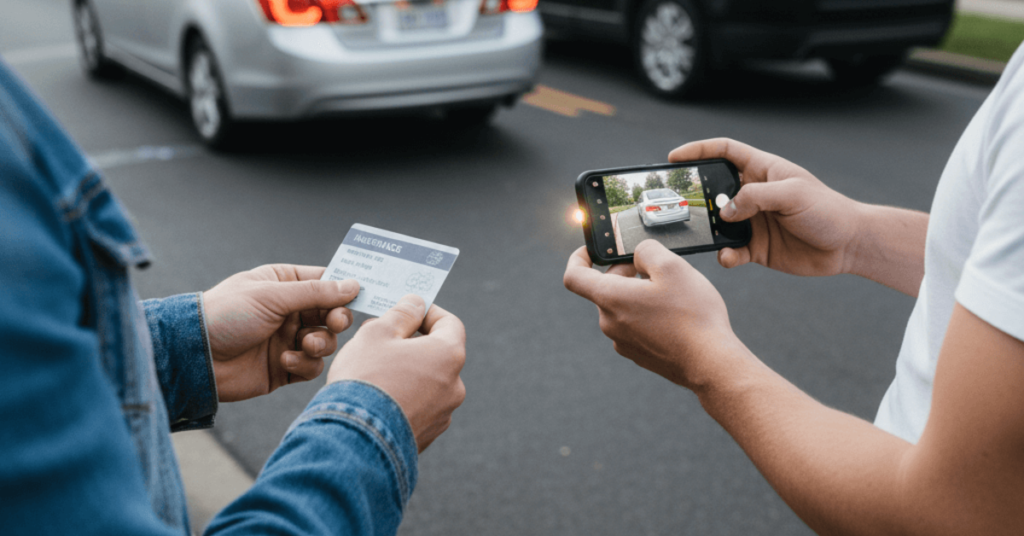
Exchanging information with other drivers involved in the accident is crucial for insurance claims and legal processes.
What Information to Exchange
• Full names
• Phone numbers
• Driver’s license numbers
• Vehicle registration and license plate numbers
• Insurance company names and policy numbers
• Make, model, and color of the vehicles involved
You can also ask for contact information from any witnesses who saw the accident happen.
What Not to Do
• Avoid discussing fault or blame at the scene.
• Do not make statements that could be interpreted as an admission of guilt.
• Avoid arguments or confrontations with other drivers.
• Do not accept or offer money “on the spot” to settle damages—these agreements can lead to complications later.
Document the Accident Scene Thoroughly

Detailed documentation at the scene can be incredibly helpful for insurance claims and legal matters.
Take Photographs
Use your phone or camera to take clear pictures of:
• All vehicles involved from multiple angles
• Damage to each vehicle
• License plates
• The surrounding area, including traffic signs, signals, skid marks, debris, or road conditions
• Any visible injuries to people involved
• Weather conditions and lighting (rain, fog, day or night, etc.)
Write Down Important Details
Record as much as you can while the information is fresh:
• Date and time of the accident
• Exact location (street names, landmarks, GPS coordinates if possible)
• Direction each vehicle was traveling
• A brief description of how the accident occurred from your perspective
• Names and contact information of witnesses
• Weather and road conditions (wet, icy, construction zones, etc.)
If you have a voice recorder app, consider recording your immediate thoughts.
Use a Sketch if Necessary
Sometimes a quick diagram of the accident scene helps clarify what happened. Include vehicle positions, directions, and points of impact.
Seek Medical Attention

Even if you feel fine, it is important to get medical attention after a car accident.
Why Medical Evaluation Matters
• Hidden Injuries: Injuries like concussions, whiplash, or internal trauma might not show symptoms immediately.
• Medical Documentation: A doctor’s report can serve as critical evidence if you file an insurance claim or personal injury lawsuit.
• Health Monitoring: Timely treatment can prevent complications from untreated injuries.
When to Visit the Doctor
If you experience any symptoms such as pain, stiffness, dizziness, headaches, or numbness, see a healthcare professional as soon as possible.
Emergency vs. Urgent Care
If injuries are severe or life-threatening (heavy bleeding, chest pain, difficulty breathing, loss of consciousness), call 911 or visit an emergency room immediately.
For non-life-threatening injuries, urgent care centers or your primary care physician are appropriate options.
Notify Your Insurance Company

Your insurance company must be notified about the accident as soon as possible. Most insurance policies have specific timeframes within which you must report incidents.
How to Notify Your Insurer
• Call the claims department of your insurance company.
• Provide a clear and factual account of what happened.
• Share the other driver’s information and any police report number.
• Submit photos and documentation you collected.
What to Avoid
• Don’t admit fault or apologize, even if you think you might be responsible.
• Avoid giving recorded statements without consulting a lawyer first, especially if injuries or disputes exist.
• Stick to the facts and answer questions truthfully.
Types of Insurance Claims
• Liability Claims: When you are not at fault and seek compensation from the other driver’s insurance.
• Collision Claims: To repair your own vehicle under your insurance policy.
• Personal Injury Protection (PIP): To cover medical expenses regardless of fault, available in some states.
• Uninsured Motorist Claims: If the other driver lacks insurance or flees the scene.
For further info on Vehicle Insurance in the United States tap on Wikipedia link below
https://en.wikipedia.org/wiki/Vehicle_insurance_in_the_United_States
Keep Organized Records and Documentation

After the accident, it’s essential to maintain an organized file of all relevant documents.
What to Keep
• Police reports and accident reports
• Medical bills and records
• Repair estimates and invoices
• Insurance claim correspondence and documents
• Receipts for rental cars or other expenses related to the accident
• Photographs and videos taken at the scene
Why Record-Keeping Matters
Clear documentation supports your claims and protects you in case of disputes with insurance companies or other parties.
Understand Your Legal Rights

Car accident laws differ significantly across states. It’s important to understand your legal rights based on where the accident occurred.
Fault vs. No-Fault States
• Fault States: The driver responsible for the accident pays for damages. Victims can sue the at-fault driver or file insurance claims against their policy.
• No-Fault States: Each driver’s insurance pays for their own injuries regardless of fault, often through Personal Injury Protection (PIP). Laws limit the right to sue except in severe cases.
Statute of Limitations
Each state has a deadline for filing lawsuits after an accident, typically ranging from one to six years. Missing this window can prevent you from seeking compensation.
Compensation You May Be Entitled To
• Medical expenses
• Property damage
• Lost wages and income
• Pain and suffering
• Emotional distress
• Future medical treatment and rehabilitation
Consider Consulting a Licensed Attorney
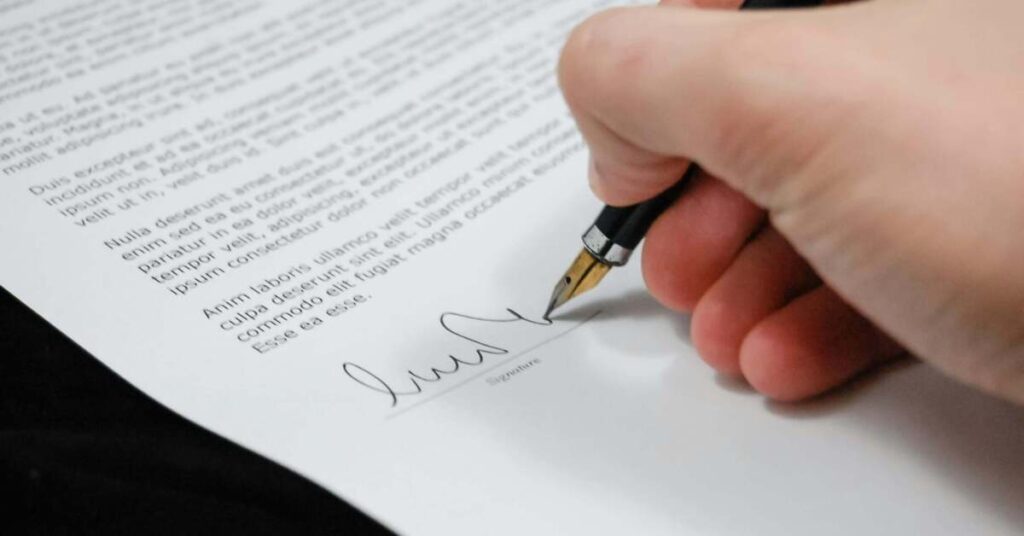
While minor accidents can often be handled through insurance companies alone, certain situations warrant professional legal advice.
When to Consult an Attorney
• Serious injuries or long-term disability
• Disputes about fault or insurance coverage
• Cases involving uninsured or underinsured drivers
• Complex liability issues or multi-vehicle accidents
• Difficulty negotiating with insurance adjusters
• If you are considering a lawsuit
How an Attorney Can Help
• Explain your legal rights and options
• Handle communication with insurance companies
• Investigate the accident to gather evidence
• Negotiate settlements or represent you in court
• Help maximize your compensation
Final Thoughts
Car accidents can be disruptive and stressful, but taking the right steps immediately after the crash can help protect your safety, health, and legal interests. Remember:
• Always prioritize safety and call for medical help when needed.
• Involve the police and exchange information with other parties.
• Document the scene thoroughly.
• Seek medical attention and notify your insurance promptly.
• Keep detailed records and understand your legal rights.
• Consult a licensed attorney if the situation is complicated.
Being prepared with this knowledge can give you greater confidence and peace of mind in the aftermath of a car accident and gonna tell you what to do after a car accident.
For more info You guys can reach us out through our Get In Touch Form by tapping on this link https://accidentclaimlawyersusa.com/contact-accident-claim-lawyer-usa/
Disclaimer:
This article provides general information and is not legal advice. Laws vary by state and individual circumstances. For legal questions related to car accidents, please consult a licensed attorney in your jurisdiction.
1 thought on “What to Do After a Car Accident in the United States”